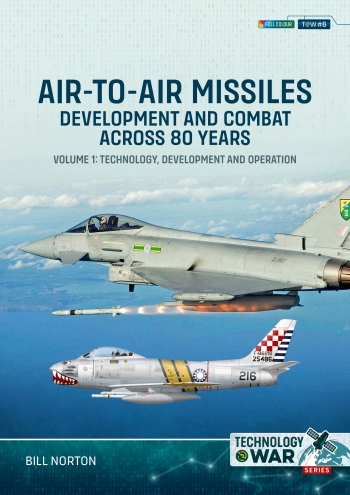
Air-to-Air Missiles, Development and Combat Across 80 Years Volume 1: Technology, Development and Operation
Product code 9781804517222
Series Technology @ War 6
Publisher/Brand Helion & Company
Author Bill Norton
Format 297mm x 210mm
No. Pages 112
Version Soft cover
Language English
Category Aviationbooks
Subcategory Aviationbooks » Military Aviation Books
Availability In stock
This product was added to our database on Friday 1 August 2025.
Your reliable Aviation Book Source since 1989
Also in this series:


This is the initial of six volumes detailing the 80-year history of air-to-air missiles (AAM) as combat aircraft weapons. It is the only comprehensive book on this subject.
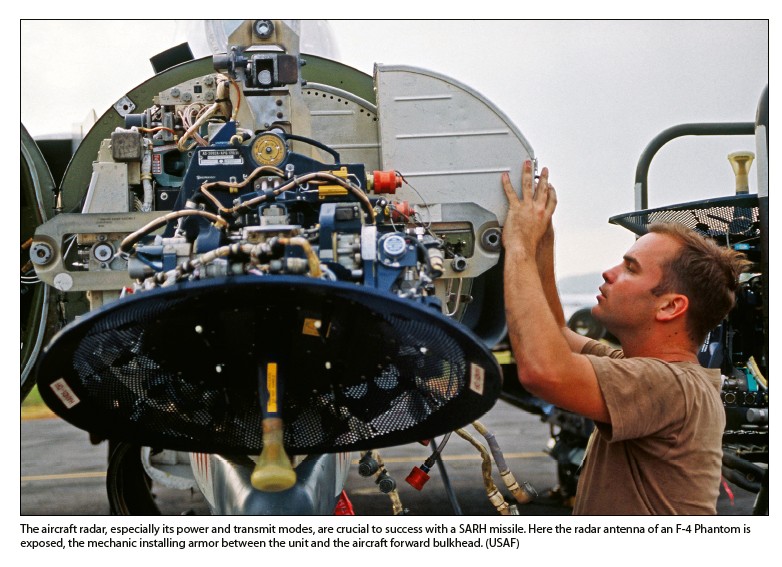
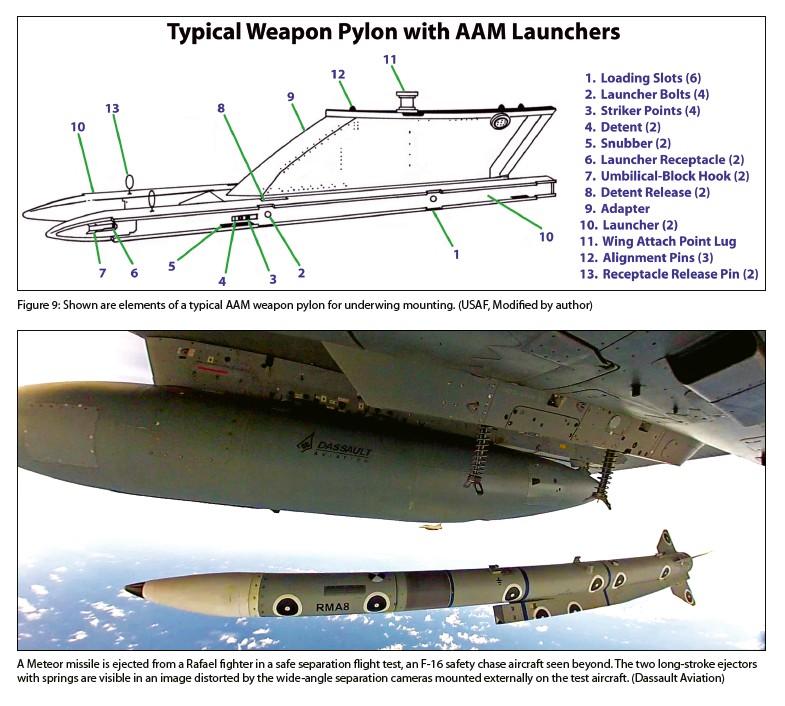
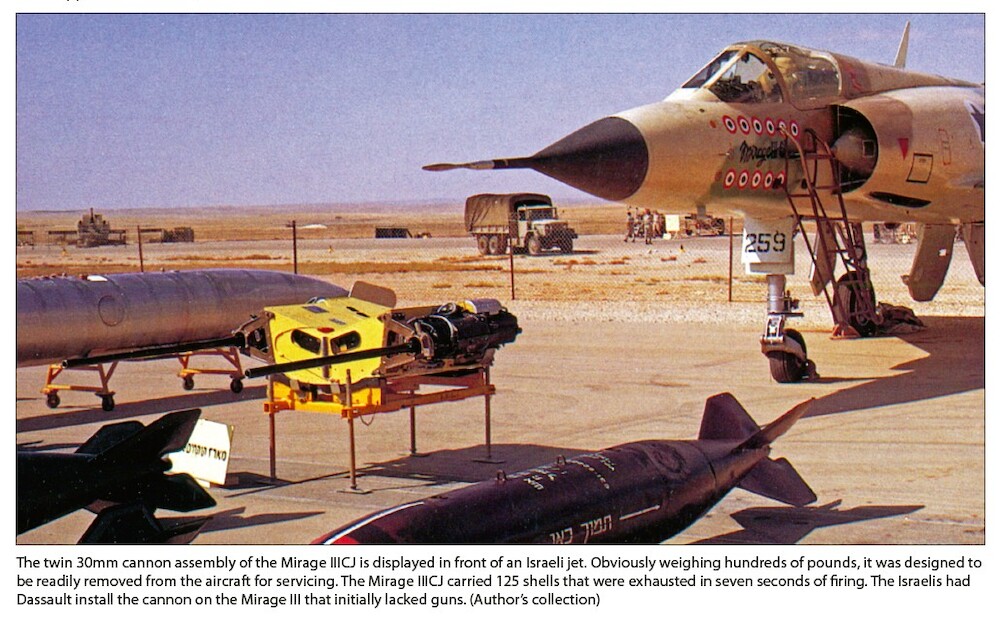
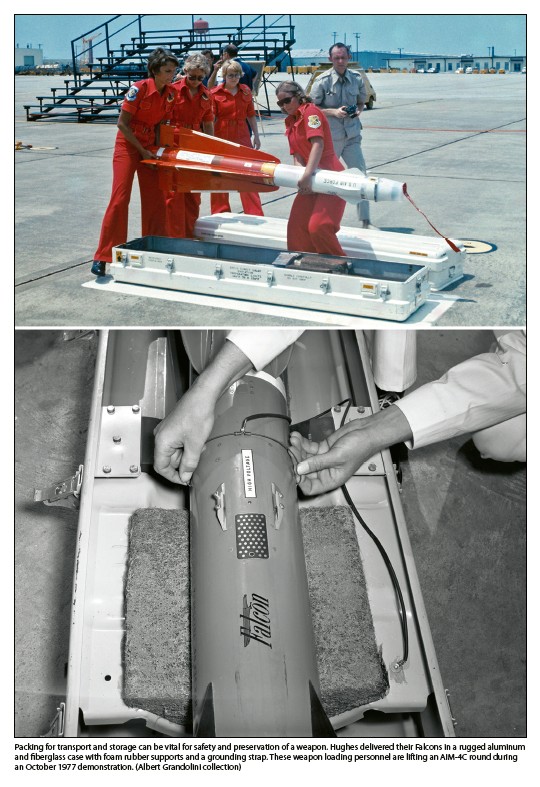
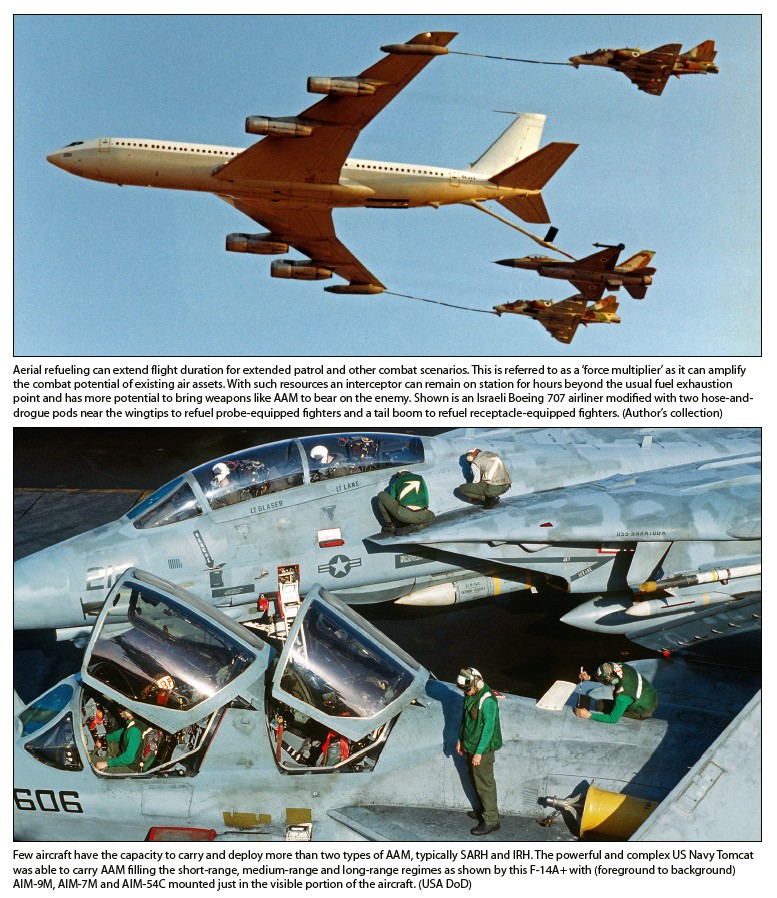
Volume 1: Technology, Development and Operation begins with the motivation for adopting such weapons, general description and capabilities of AAM, aircraft integration fundamentals and challenges, and how the missiles are employed. This is followed by a description of how AAM are developed as programs of a nation’s military to include testing and fielding, and a description of the elements making up a missile to include the aircraft interface, the airframe, flight control and autopilot, the seeker head and guidance system, motor, warhead, and more. The various design choices for each of these elements are described, with advantages and disadvantages, and with diagrams to support understanding. The many seeker head/guidance choices selected over the decades are each described along with relative benefits and detractors. Again, diagrams assist reader understanding.
The technology evolution underlying improvement of these systems is a key point. The content of the six generations of missile is then outlined. Finally, the fundamentals of employing AAM in combat are described, again with supporting drawings. This includes discussion of support, training, setting up the intercept for advantageous use of the AAM being carried by the fighter, plus the countermeasures and counter-countermeasures that may be employed. All this leads to an understanding of why many AAM shots miss their target. All this content supports understanding the weapons introduced in subsequent volumes plus their combat successes and failures.
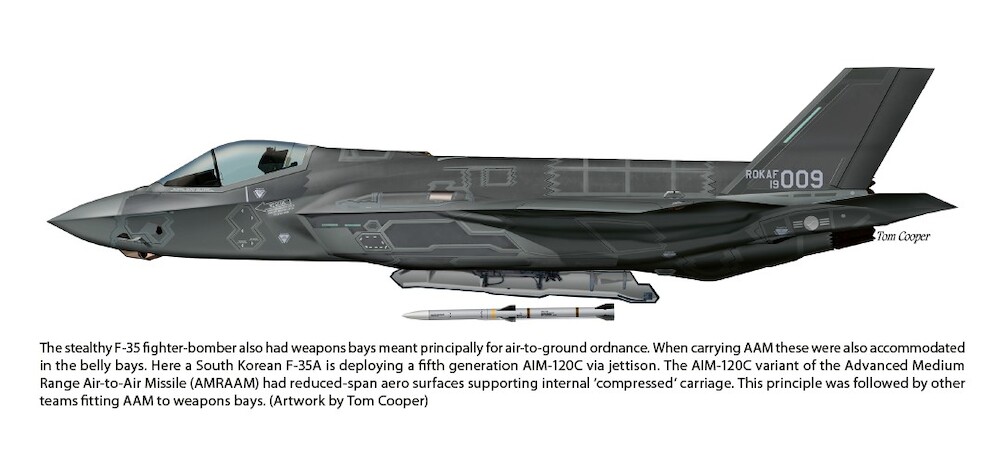
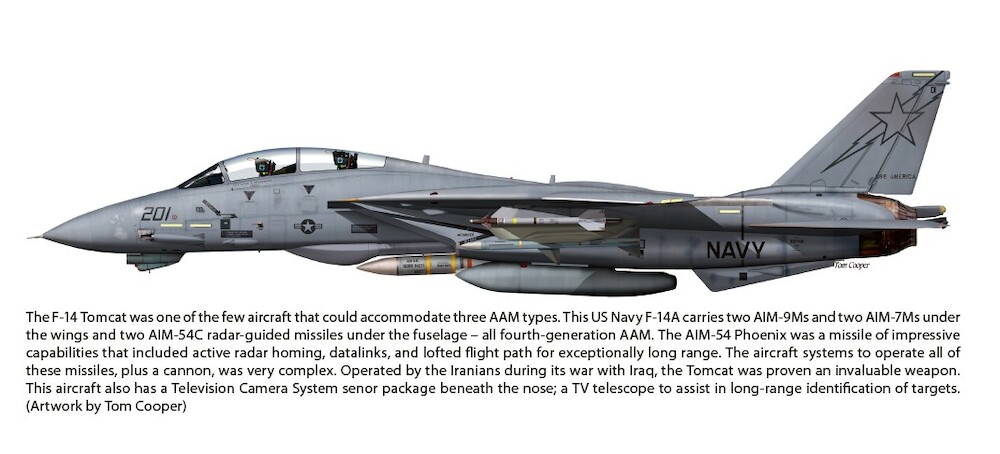
Subsequent volumes will each examine a generation of missiles and their often overlapping periods of service employment, from the earliest models of the Second World War through to the most up-to-date designs currently in service around the world. Each volume is extensively illustrated with contemporary photographs, diagrams, figures and charts, and includes the @War series’ signature colour artworks.