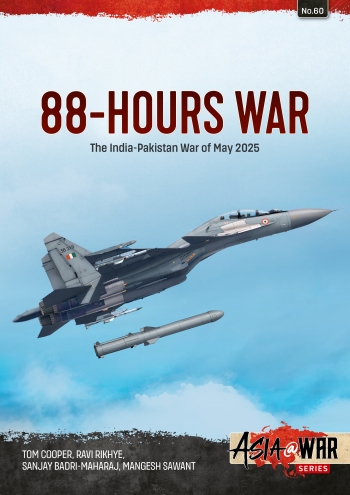
88 Hours War: The India-Pakistan War of May 2025
Product code 9781806720859
Series Asia @ War 60
Publisher/Brand Helion & Company
Author Tom Cooper, Ravi Rikhye, Sanjay Badri-Maharaj, Mangesh Sawant
Format 29,7 x 21 cm
No. Pages 92
Version Soft cover
Language English
Category Aviationbooks
Subcategory World Wars Books » War in Asia
Availability only 3 remaining
This product was added to our database on Friday 20 february 2026.
Your reliable Aviation Book Source since 1989
Also in this series:


Often downplayed or misrepresented, the short but intense military confrontation between India and Pakistan in early May 2025 was one of the sharpest clashes the two nuclear-armed rivals have fought in decades. Lasting less than four days, the conflict saw the combat debut of several of the most advanced weapon systems currently in service. Widely dismissed in much of the international media as a mere extension of the Kashmir dispute, a “large-scale cross-border skirmish,” or simply a “drone battle,” it culminated in both sides claiming victory—before being shepherded into a ceasefire through hurried diplomatic pressure from the administration of U.S. President Donald Trump. Yet behind these narratives lies a confrontation that will shape Indo-Pakistani relations for decades to come.
The crisis began on 22 April 2025, when a terrorist attack outside Pahalgam in Indian-administered Jammu and Kashmir killed 26 civilians, mostly Hindu tourists. A Pakistan-based, UN-designated terrorist organisation first claimed responsibility, then denied involvement, while Islamabad—having engineered the attack to draw global attention to Kashmir—dismissed the massacre as an Indian “false flag operation.” New Delhi responded with a series of calibrated countermeasures and, armed with irrefutable evidence of Pakistani complicity, launched precision strikes on multiple terrorist camps in the early hours of 7 May.
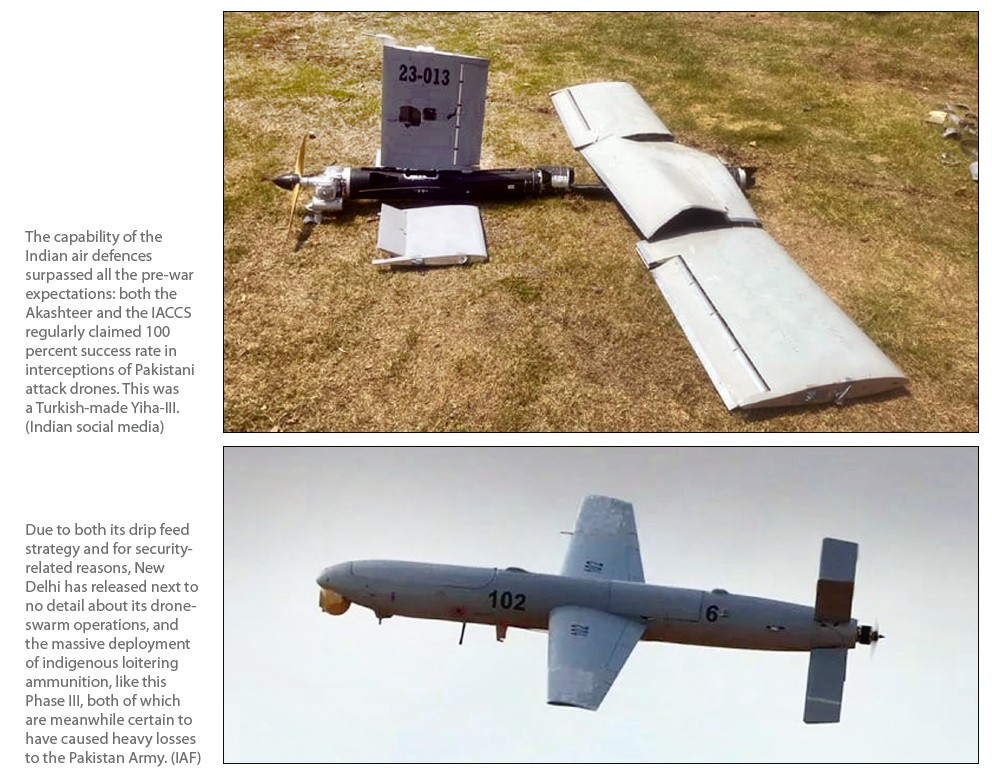
Determined to dictate India’s responses through nuclear threats and long-standing myths of military invulnerability, Pakistan escalated. Mortars, artillery rockets and armed unmanned aerial vehicles were fired at civilian, military and religious targets inside Indian territory. India, however, reacted with a tightly planned and proportionate operation that systematically dismantled Pakistani air defences. Over the next 48 hours, Pakistan intensified its “drone war,” only to see the majority of its systems destroyed mid-flight.
In desperation, Islamabad ordered ballistic missile strikes on 26 targets across India. New Delhi’s retaliation was swift and overwhelming. In just 90 minutes, Indian missiles crippled key Pakistani command centres, closed runways at several major PAF bases, destroyed critical aircraft hangars, and—most significantly—struck at least one, possibly two underground nuclear weapons storage sites. The message was unmistakable: India now held the upper hand.
Though rooted in the long-standing Kashmir dispute, the India–Pakistan War of May 2025 represented something far more consequential. For the first time in 80 years of hostility, India not only responded directly to a Pakistan-sponsored terrorist attack, but openly called Islamabad’s nuclear bluff, neutralised its ability to retaliate and forced Pakistani aircraft away from the international border—placing the IAF in a decisive offensive posture. Despite Islamabad’s subsequent efforts, aided by Chinese disinformation and familiar Western misconceptions, to mask the scale of its defeat and even claim victory, the strategic balance between the two nations has been irrevocably altered.
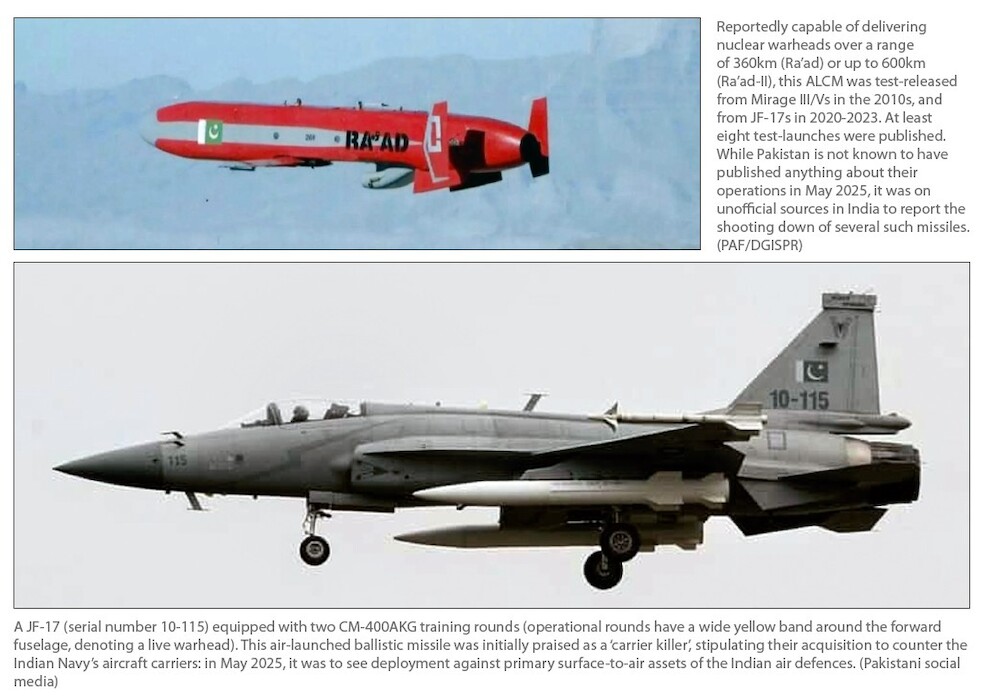
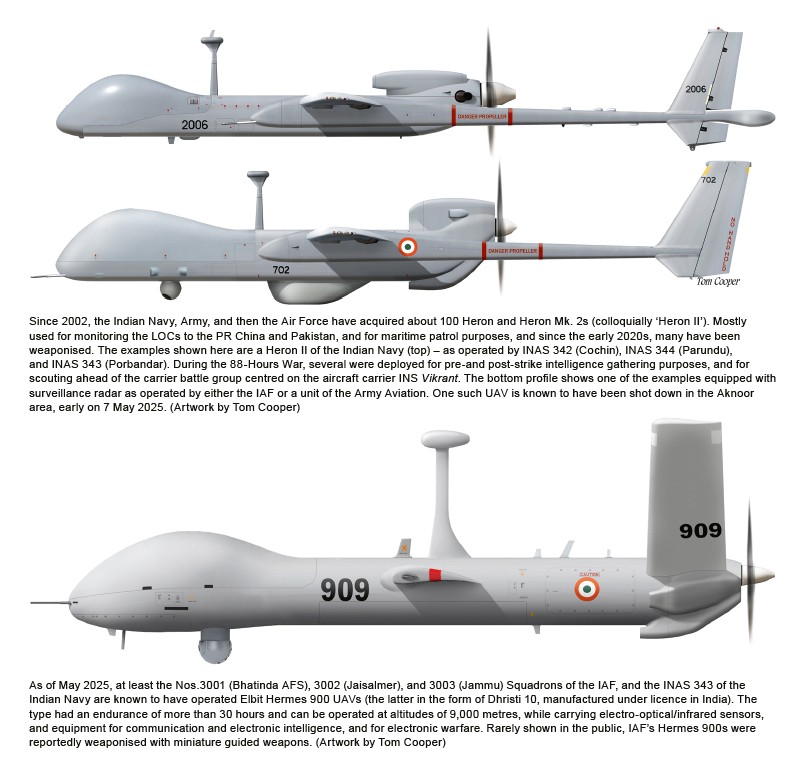
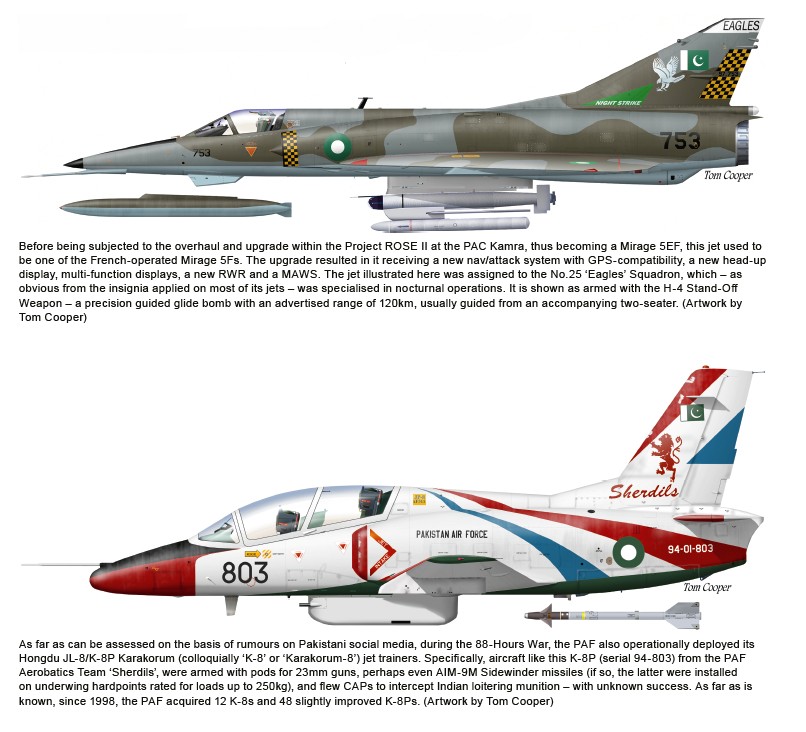
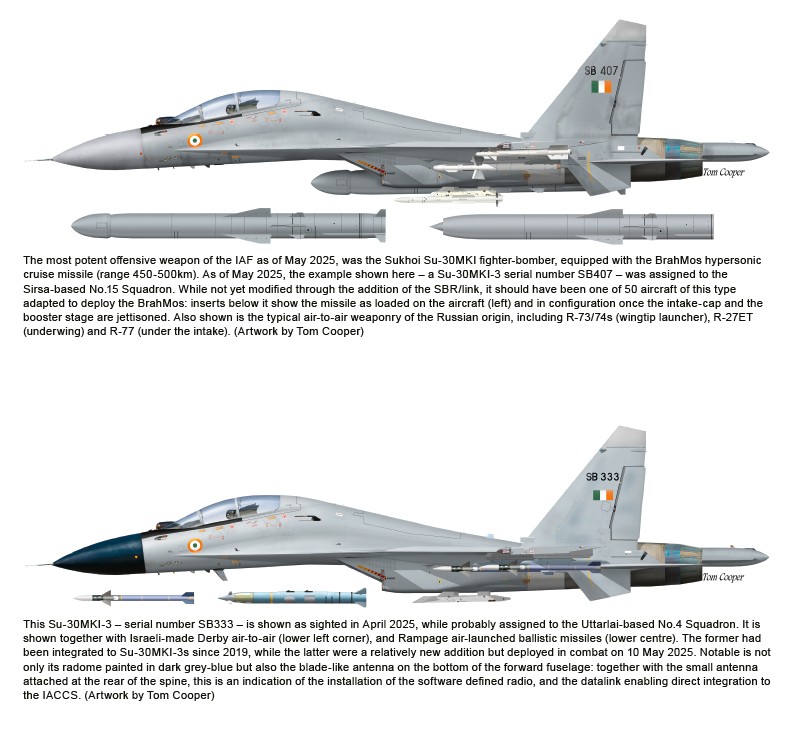
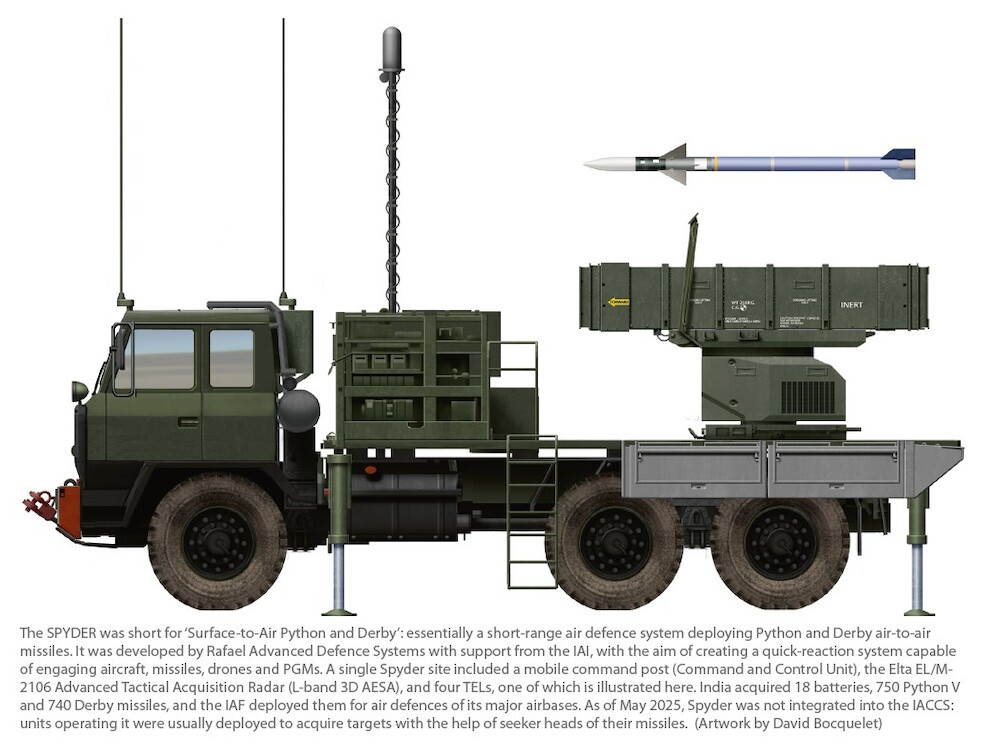
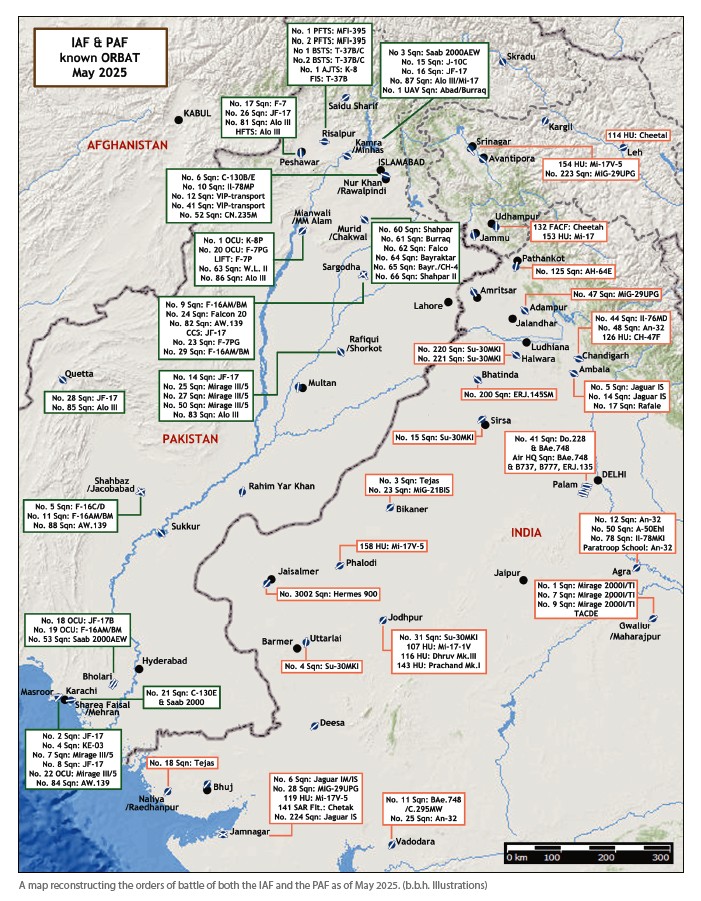
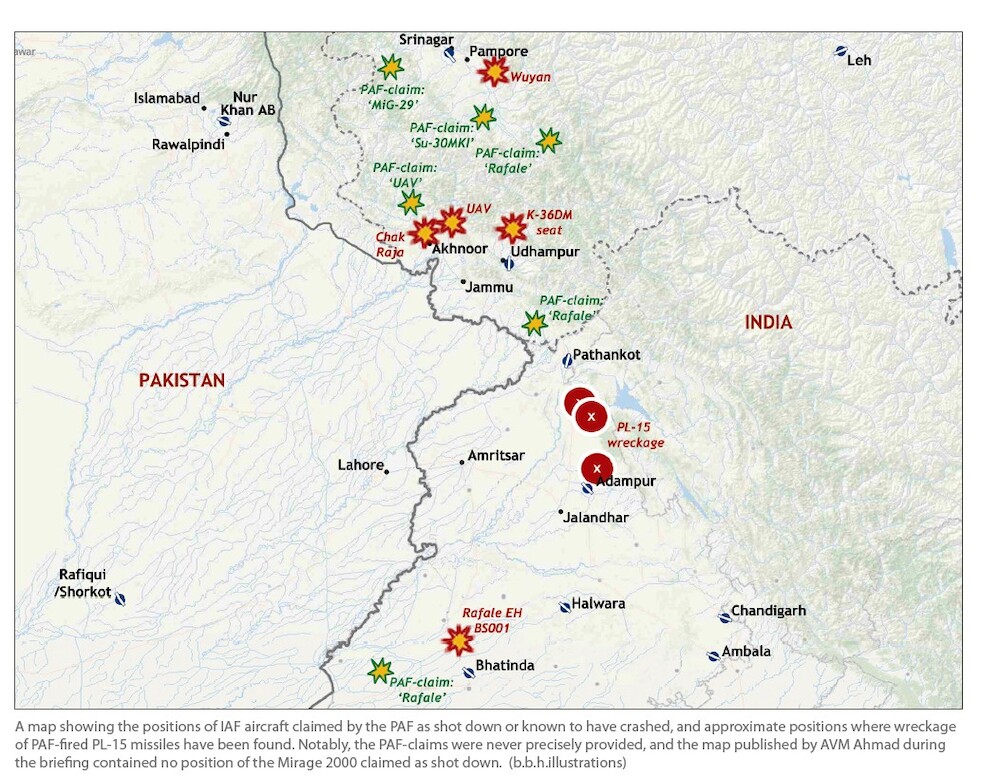
Richly illustrated with custom-drawn diagrams, detailed colour profiles and in-depth technical analysis, 88-Hours War provides the first full account of this fast-moving but poorly understood conflict. Combining background, context and a blow-by-blow narrative of the fighting from 7 to 10 May 2025, it is an indispensable reference for defence professionals, analysts and military history enthusiasts alike.