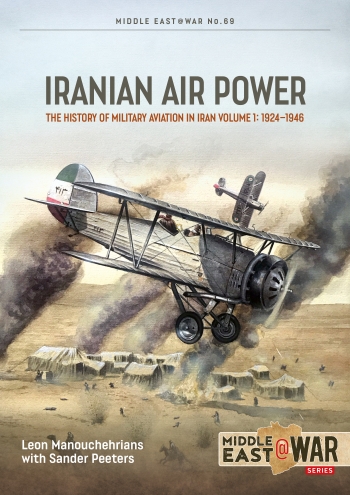
Iranian Air Power Volume 1: The History of Military Aviation in Iran, 1924-1946
Product code 9781806720255
Series Middle East @ War 69
Publisher/Brand Helion & Company
Author Leon Manouchehrians, Sander Peeters
Format 297mm x 210mm
No. Pages 98
Version Soft cover
Language English
Category Aviationbooks
Subcategory World Wars Books » Israel/ME War
Availability only 4 remaining
This product was added to our database on Friday 11 September 2026.
Your reliable Aviation Book Source since 1989
Also in this series:


In the years between the two world wars, Persia – renamed as Iran in 1935 – sought to establish its own military aviation service. At various times during this period Germany, Russia, Great Britain and France all vied to supply aircraft and training to Iran, whilst also gaining influence in the oil-rich nation. Following a short war in 1941, a pro-Axis Iran was occupied by Britain and Russia, and subsequently became a major conduit for military aid from the USA to the USSR during the Second World War. This volume examines the history of Iranian military aviation between 1924 and 1946.
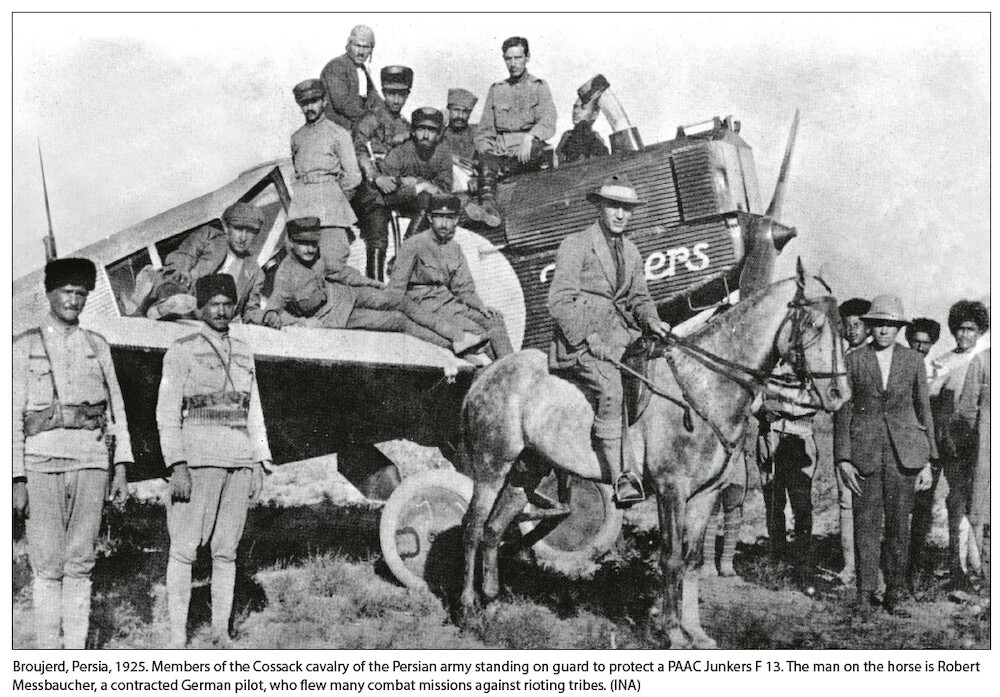
Despite attempting to remain neutral during the First World War, Persia was the scene of much fighting involving British, Russian and Ottoman troops during that conflict. In the aftermath, the much weakened Qajar dynasty was overthrown by Reza Shah in 1921, and the Pahlavi dynasty came to power in 1925. The new Shah, a military officer, had followed the development of airpower during the First World War and soon the Persian government began negotiations with Germany to provide aircraft and crews to start their own aviation service.
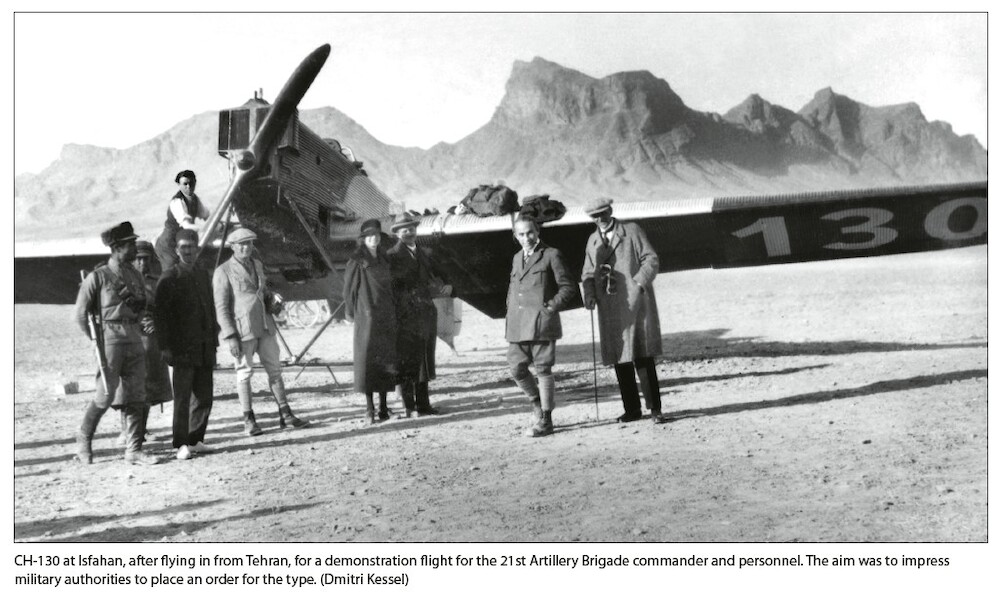
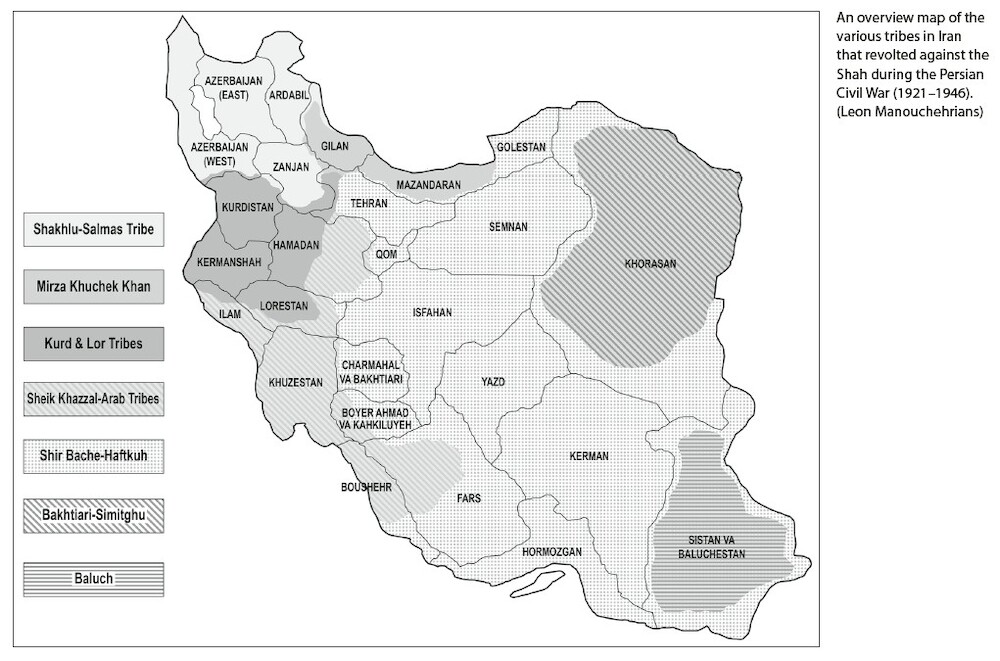
The first aircrews, mostly recruited in Germany and Russia, were soon flying in Persian service supporting the nation’s armed forces in the large mountainous country in their struggles against various rebellious groups. Despite the limited supply of aircraft and the challenging environment, these proved very effective in their missions.
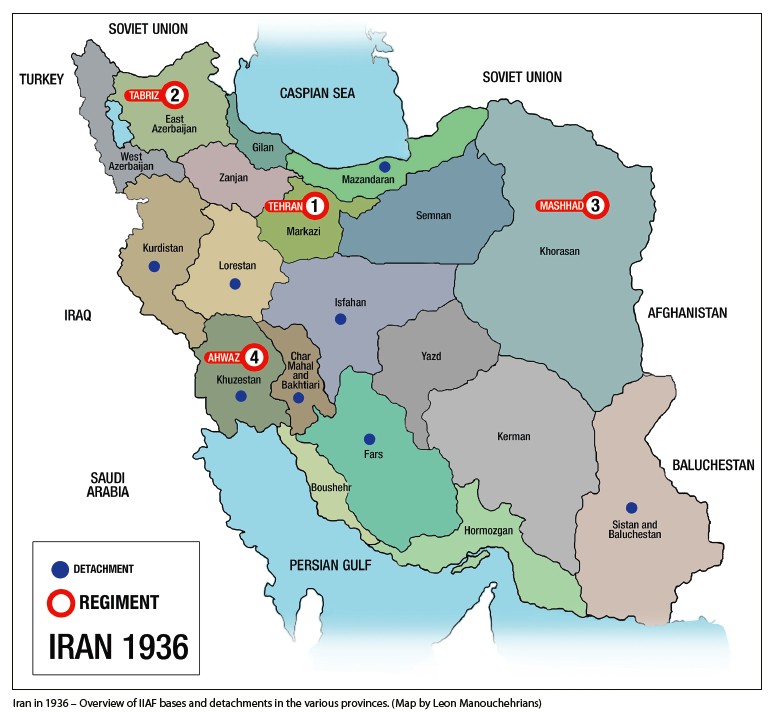
Soon, France, the USSR and Great Britain all sought to sell aircraft to the Persian Army Air Corps and gain influence in Iranian politics. With the nation renamed as Iran in 1935 as part of an effort to modernise the country, various flight schools and numerous air bases were built and the renamed Imperial Iranian Air Force was equipped with a plethora of aircraft types sourced in Europe.
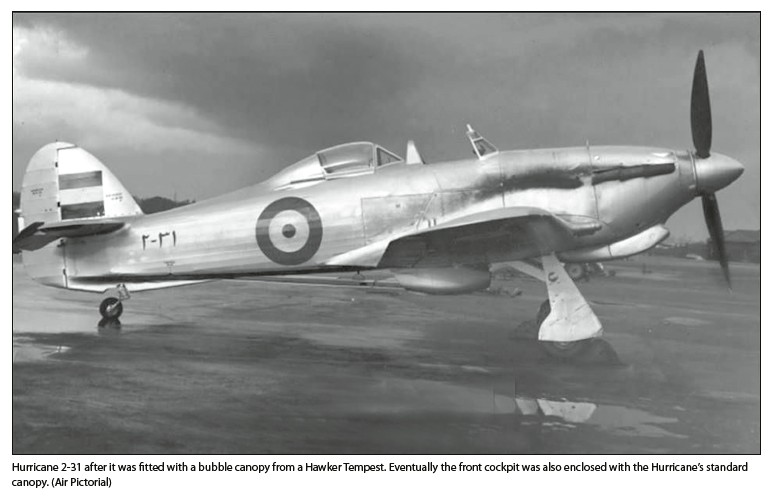
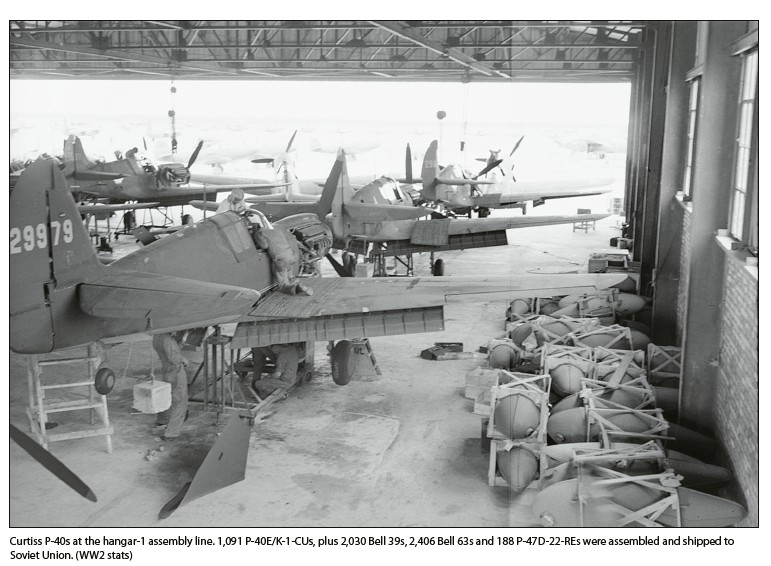
Due to its strategic location and pro-German stance, Iran was invaded by combined forces from the UK and USSR in August 1941. During six days of fighting, the brave airmen of Iran flew their outdated aircraft against superior forces. The results were predictable and the invasion resulted in the occupation of Iran until the end of the Second World War. After being used to channel US Lend-Lease aid to the USSR, Iran would eventually acquire more modern British aircraft as part reward, part compensation for its role in the events of the Second World War.
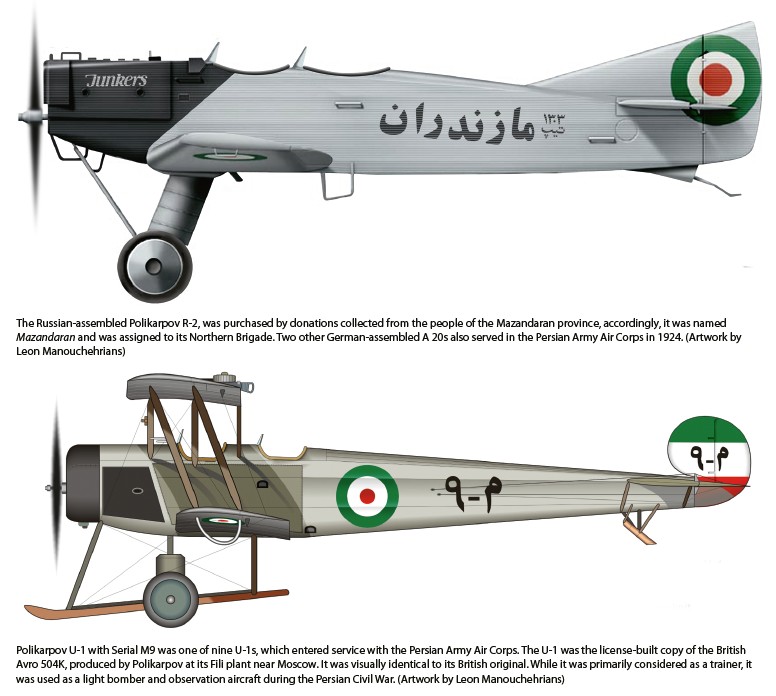
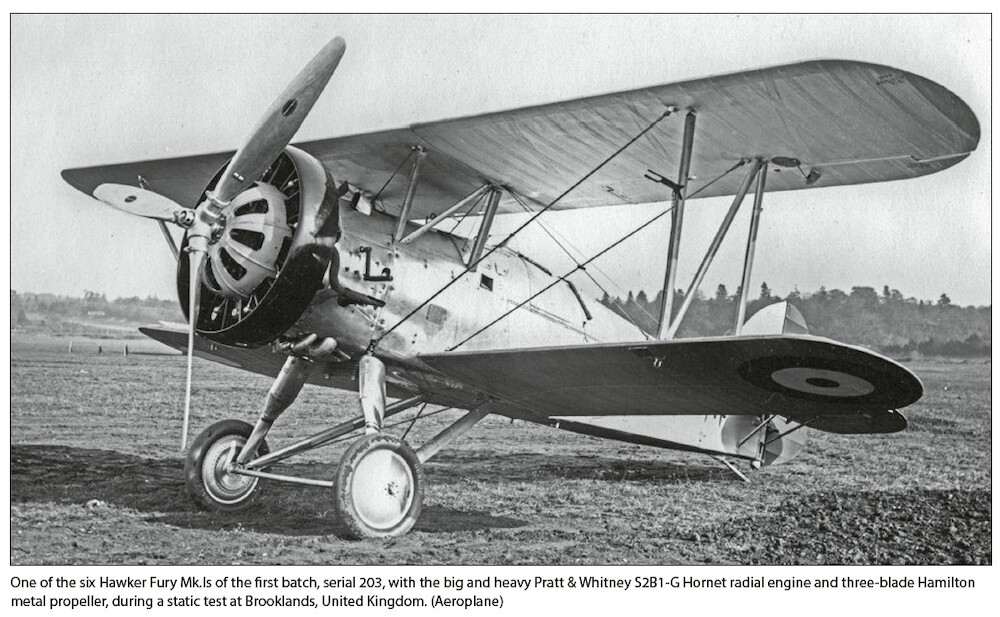
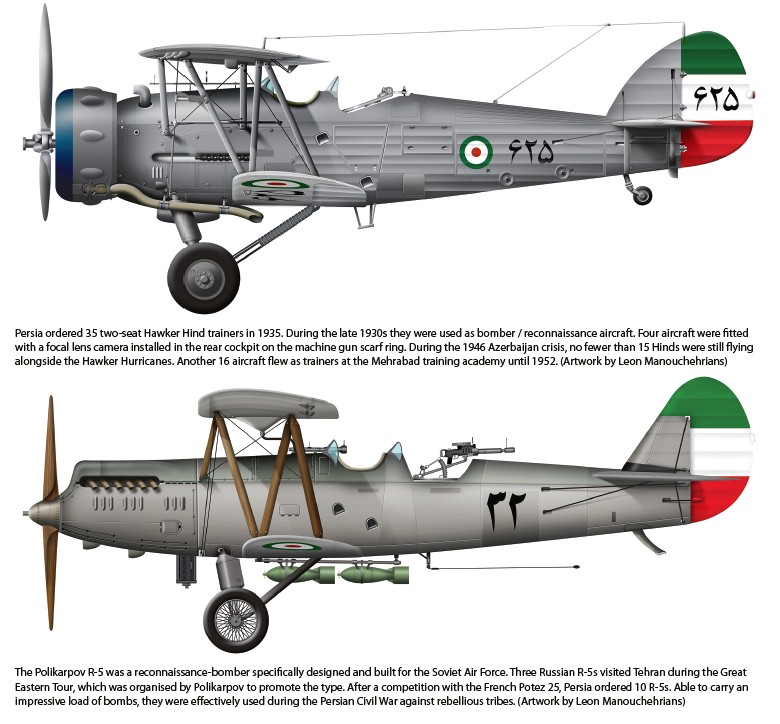
Iranian Air Power, The History of Military Aviation in Iran, Volume 1: 1924–1946 provides a detailed history of this turbulent time for both Iran as a nation and of the establishment of its military aviation services. This volume, richly illustrated with rare original photographs and specially commissioned colour aircraft profiles, is essential reading for understanding the military history of this nation that remains at the heart of both global politics and conflict in the Middle East.