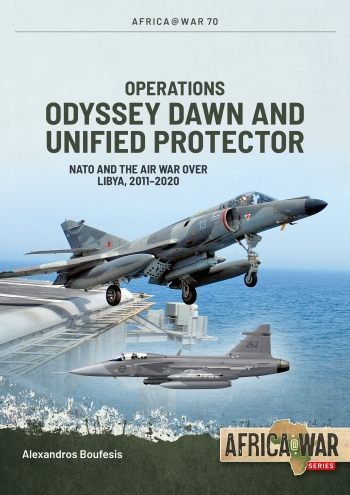
Operations Odyssey Dawn and Unified Protector: NATO and the Air War over Libya, 2011-2020
Product code 9781806720248
Series Africa @ War 70
Publisher/Brand Helion & Company
Author Alexandros Boufesis
No. Pages 70
Version Soft cover
Language English
Category Aviationbooks
Subcategory World Wars Books » War in Africa
Availability Temporarily Out of Stock.
Click here to be notified when this product becomes available again
This product was added to our database on Wednesday 22 july 2026.
Your reliable Aviation Book Source since 1989
Also in this series:


Alexandros Boufesis’ retelling of Operations Odyssey Dawn and Unified Protector is a comprehensive analysis and evaluation of the 2011 international military intervention in Libya. The focus of the text is that of the air operations conducted, their impacts and the air war’s operational mechanics, reviewing and assessing both the contemporary and current geopolitical consequences through to the present day.
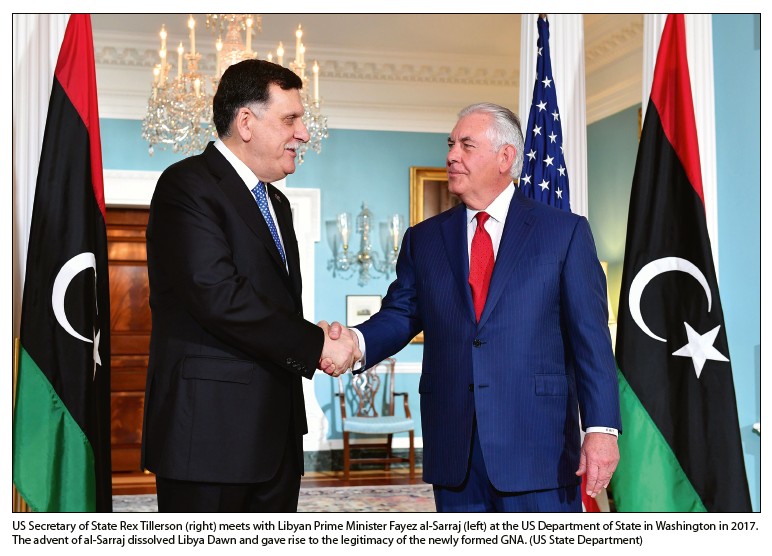
The narrative traces the rise of Muammar Qaddafi, exploring his methods for consolidating domestic power through complex tribal alliances whilst looking to impose himself on the Arab and European political stages. Boufesis then examines Libya’s transition from a sponsor of global terrorism to that of a state seeking reconciliation with Western nations in the early 2000s. This historical context sets the stage for the 2011 Arab Spring uprisings; protests that rapidly escalated from civil demonstrations into a full-scale armed rebellion, as Qaddafi ’s powerplays revealed the shifting foundations on which they had been built.
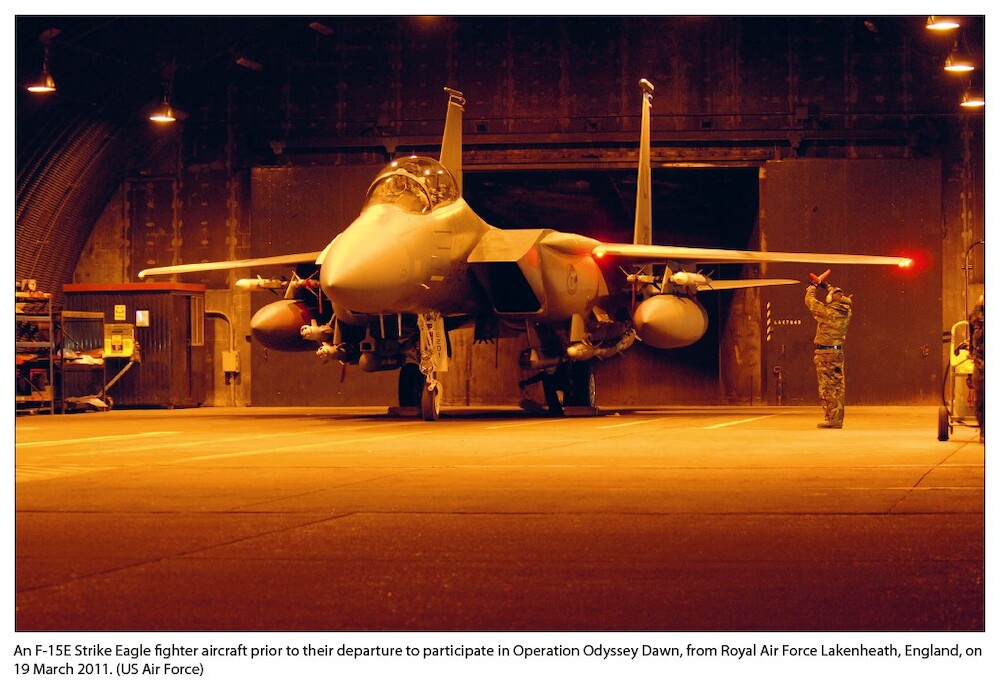
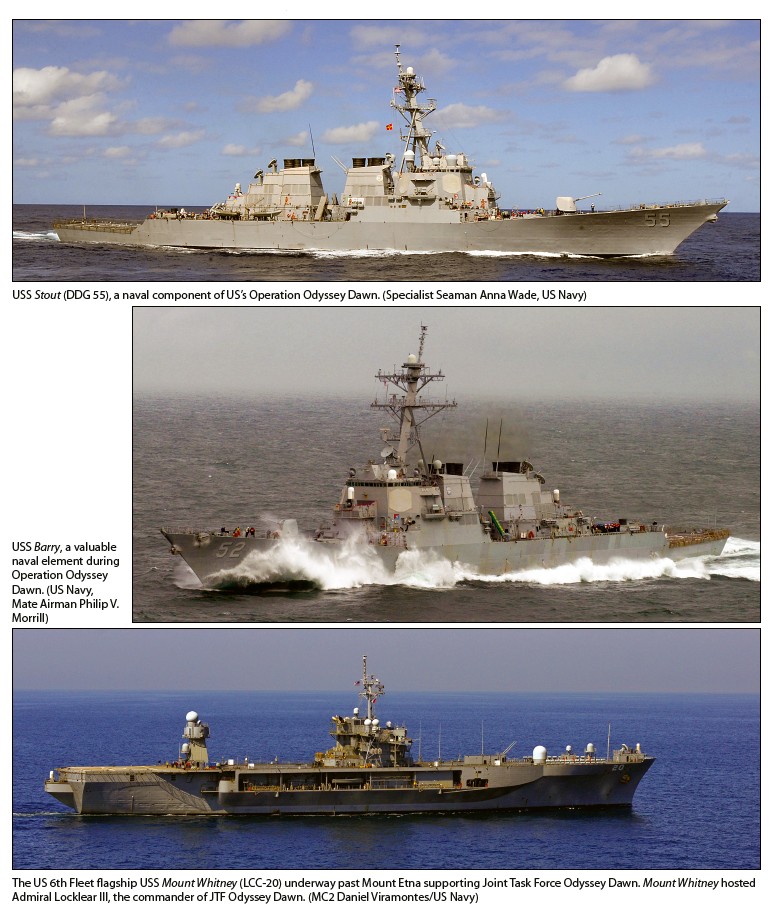
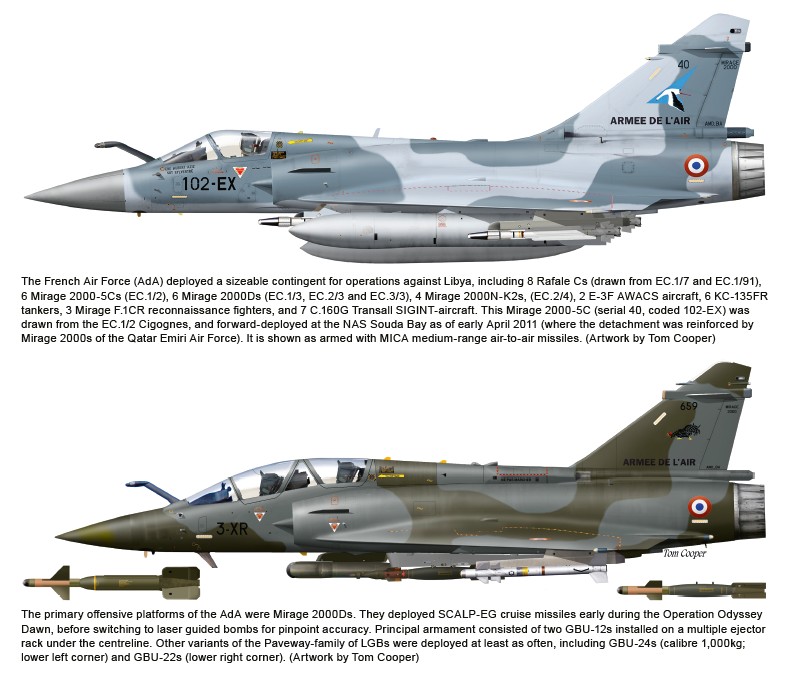
The critical analysis of the international, predominantly Western, military response forms the heart of the narrative. The author analyses the initial combat phase, led by the United States, and the subsequent transition of command to NATO. The text describes and evaluates the capabilities and capability shortfalls faced by the European allies. Deficiencies that forced a continued reliance on American intelligence, surveillance and logistical support throughout the remainder of the campaign.
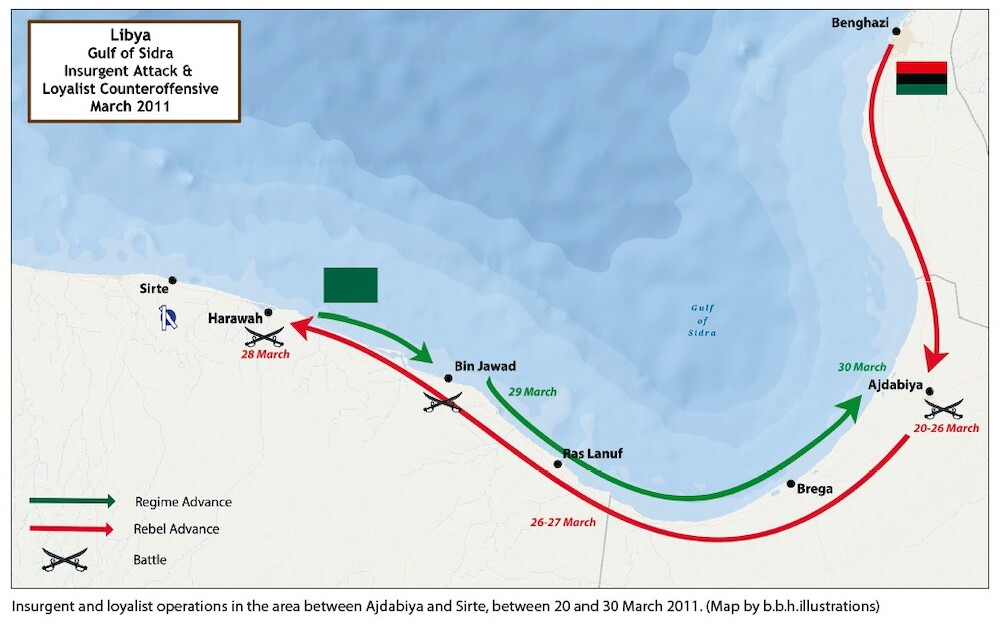
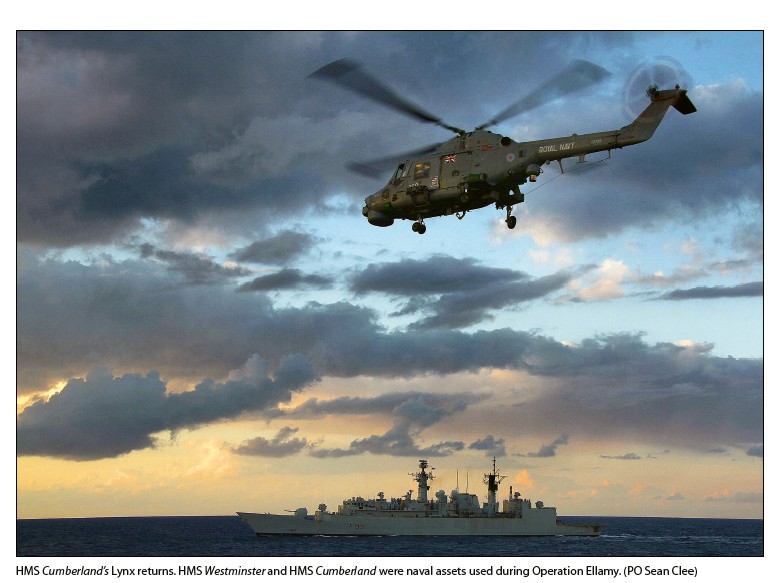
Enhanced with over a hundred photographs and maps and utilising a vast bank of written sources, the text documents Qaddafi ’s rise and fall and the Libyan state beyond his eventual demise. The author has created a narrative that astutely illustrates the matters arising in waging coalition warfare and also the inherent dangers of over reliance on a single power source to drive and coordinate military operations. It is a compelling tale of recent North African history and a text of relevance for the region today.